Bring Warmth to Your Designs with Cozy Wedding Clipart
Every wedding celebration tells a love story, and the visuals surrounding that story matter more than most people realize. Whether you're designing save-the-dates, creating signage for a rustic barn reception, or building a cohesive brand identity for a wedding planning business, the right decorative elements can transform ordinary layouts into something genuinely memorable. That's exactly where thoughtfully crafted clipart bundles step in—offering designers and creative professionals a versatile toolkit for adding personality and warmth to any project.
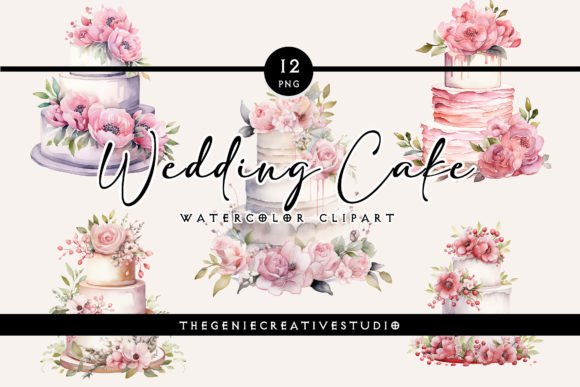
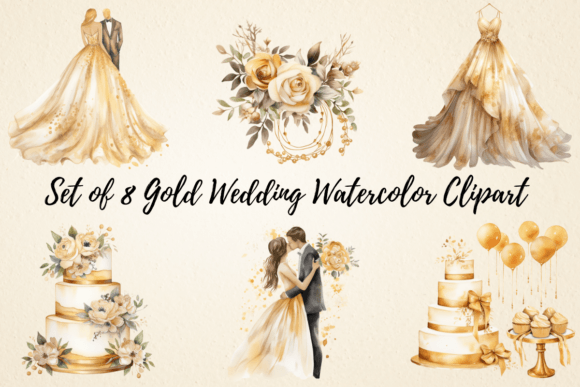
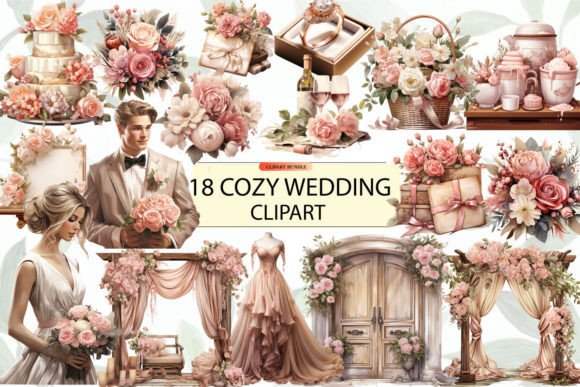
The Cozy Wedding Decorations Clipart Bundle is a collection designed with intention. It brings together hand-painted watercolor elements that capture the soft, romantic aesthetic many couples gravitate toward. Think delicate florals, gentle foliage, charming ribbons, and subtle decorative accents—all rendered in a style that feels organic rather than overly polished. This particular creative watercolor clipart collection stands out because it balances artistic detail with enough simplicity to work across a wide range of applications without overwhelming the overall design.
Why Watercolor Elements Resonate with Modern Audiences
There's a reason watercolor textures and illustrations have maintained their popularity in wedding design for years. They evoke emotion. A watercolor peony doesn't just sit on a page—it bleeds softly at the edges, carries visible brushstrokes, and carries an imperfect beauty that feels handmade. For designers working with couples who want their invitations and décor to feel personal rather than mass-produced, this aesthetic is invaluable.
The 18 PNG files included in this bundle are rendered at 300 DPI, which means they hold up beautifully in both digital and print applications. You won't encounter the frustrating pixelation that plagues lower-resolution assets when you scale them up for posters, banners, or large-format signage. For anyone who has ever scrambled to find a higher-quality version of an element mid-project, this detail alone saves significant time and headache.
What makes this collection particularly useful is its versatility. These aren't single-purpose graphics locked into one aesthetic. The elements work just as effectively on a rustic farmhouse invitation suite as they do on a modern minimalist wedding website. It comes down to how you arrange them, what you pair them with, and the color context you place them in.
Practical Applications That Go Beyond the Obvious
Wedding clipart might sound niche at first glance, but the practical applications extend far beyond ceremony programs and table numbers. Small business owners in the wedding industry—planners, florists, photographers, venue operators—constantly need fresh visual content. Having a reliable library of cohesive decorative elements means you can maintain brand consistency across every touchpoint without commissioning new illustrations for each project.
Here are some specific ways creative professionals are using bundles like this one:
- Invitation suites and stationery: Layer watercolor florals behind typography for elegant save-the-dates, RSVP cards, and menu designs.
- Social media content: Wedding photographers and planners use decorative clipart to frame Instagram posts, create Pinterest pins, and design story templates that feel cohesive with their brand.
- Packaging and product design: If you sell handmade candles, soaps, or favors marketed toward brides and grooms, incorporating watercolor elements into your labels and packaging elevates the perceived value immediately.
- T-shirts and merchandise: Bridal party shirts, bachelorette weekend gear, and wedding-day apparel all benefit from soft, romantic graphics that complement text-based designs.
- Wall art and home décor: Printable art featuring watercolor wedding motifs appeals to couples decorating their first shared home or anniversary celebrations.
- Tumblers and stickers: The crafting community regularly uses high-resolution clipart for sublimation printing on drinkware and creating planner stickers.
- Website headers and blog graphics: Wedding bloggers and editorial sites use decorative elements to create visual hierarchy and break up long-form content without relying solely on photography.
- Embroidery and digitizing: Crafters who work with embroidery machines can trace clean PNG outlines to create stitched versions of watercolor designs.
The daily upload schedule in the creator's store also signals something important for long-term planning. If you're building a design library—and anyone serious about efficiency should be—knowing that fresh creative watercolor clipart assets arrive regularly means you can return for complementary elements as your projects evolve.
Making Design Decisions That Actually Serve Your Projects
Having access to beautiful assets is only half the equation. The other half involves making smart decisions about how and where to use them. A common mistake among newer designers is treating decorative elements as the focal point rather than supporting visual components. Wedding clipart works best when it frames your typography, guides the viewer's eye, and establishes mood without competing with the actual message.
Consider scale carefully. A cluster of watercolor flowers that looks stunning at two inches wide on an invitation might feel cluttered and distracting when stretched across a full poster. Play with opacity, too. Dropping a floral element to 40% opacity behind headline text creates a sophisticated layered effect that feels intentional rather than busy.
Color coordination matters enormously in wedding design. If the couple's palette leans toward dusty rose and sage green, choose clipart elements that naturally complement those tones. One advantage of watercolor illustrations is that their inherent softness makes them forgiving when slightly off from an exact brand color—they blend rather than clash.
For those running a small business or freelance design practice, building a personal library of trusted assets like the Cozy Wedding Decorations Clipart Bundle reduces dependency on last-minute sourcing. When a client requests a rush job—say, table cards needed by Friday—you can open your files, select appropriate elements, and produce polished work without the scramble of searching through inconsistent stock libraries.
Building a Cohesive Visual Language Over Time
One of the most overlooked advantages of working with a curated clipart collection rather than assembling random graphics from different sources is visual consistency. When every element shares the same hand-painted watercolor style, your designs automatically feel more unified. This matters for brand identity work, where a florist's Instagram grid needs to feel like a single, intentional body of work rather than a patchwork of mismatched aesthetics.
Think about how major wedding publications maintain their signature look. They don't reinvent their visual language with every issue. They establish a style framework and work within it, swapping out specific images while keeping the overall tone consistent. You can apply the same principle to your projects by building around a core set of design assets that share stylistic DNA.
For content creators and bloggers in the wedding space, this consistency translates directly to audience trust. When your Pinterest pins, blog headers, and email newsletters all carry the same visual fingerprint, readers begin to recognize your content before they even read your name. That kind of brand recognition doesn't happen by accident—it's the result of deliberate, repeated use of cohesive visual elements.
Whether you're a seasoned designer managing multiple client accounts or a hobbyist creating handmade invitations for a friend's upcoming ceremony, having reliable, high-quality decorative assets at your fingertips changes the way you work. It shifts the creative process from "Can I find something that works?" to "Which of these beautiful options best serves this particular project?" That shift—from scarcity to abundance within a controlled aesthetic—is where real creative confidence begins.